

How a Lab Sets Up AI Consumption
The real AI question is not which model is best. It is how a team routes, reviews, and operationalizes AI inside actual work.
Analytical reports, operational frameworks, and research notes from WBA's independent practice.
The real AI question is not which model is best. It is how a team routes, reviews, and operationalizes AI inside actual work.
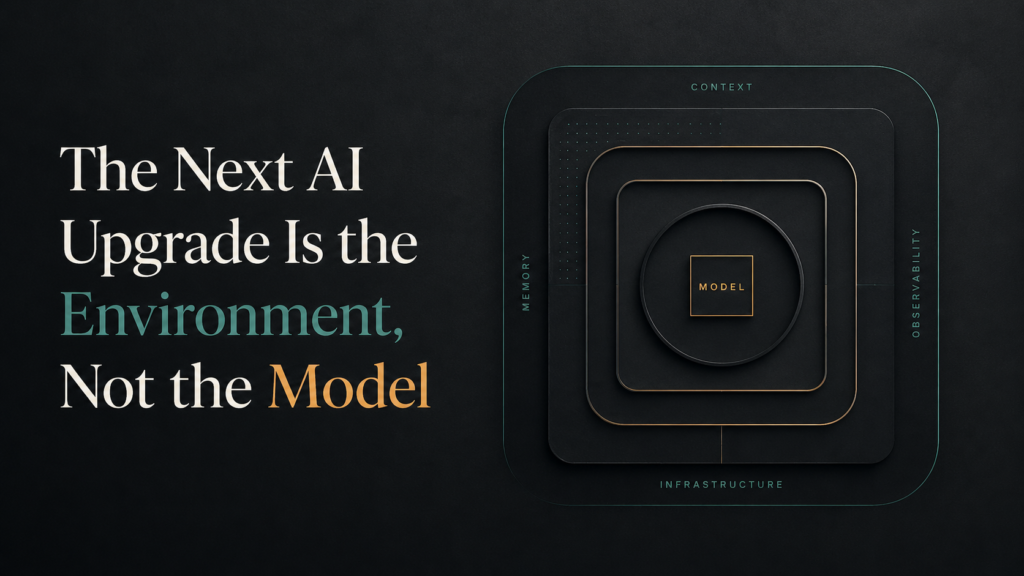
When AI usage feels suddenly more expensive, the assumption is that models have grown more capable and therefore more costly. The data tells a different story. The cost is not reasoning. The cost is the environment failing to support the agent the model has already become.
Most organizations confuse AI adoption with AI maturity. Adoption is a procurement event — maturity is an institutional learning process that cannot be purchased or rushed. This analysis examines the five most common mistakes and what the journey from experimentation to operational capability actually requires.
A local Sigil benchmark found that, for summary and validation work, a small always-on guidance layer plus MCP outperformed manual invocation of a dedicated agent skill.
Global AI investment surpassed $200 billion in 2025, yet 60-80% of enterprise AI projects fail to deliver value. The bottleneck is not computational — it is organizational. This analysis examines seven structural patterns that prevent AI initiatives from succeeding, from the readiness illusion to absent feedback loops.
Most organizations measure AI adoption by counting licenses, API calls, or chatbot sessions. These are activity metrics. They tell you tools are being used. They do not tell you whether…